







Skip to content
A scholar's desk — prepared for the Fiqh Symposium 2026
Fiqh Symposium 2026 · Prospectus

The full prospectus.

A scholarly convening dedicated to the preservation of the din and its juristic sciences through disciplined engagement with contemporary realities, with focused application to zakah governance.

20 – 21 June 2026 · United Kingdom · Organised by Foundations of Legacy · Academic Authority: Islamic Finance Advisory

This Symposium

01 / Foreword

A scholarly endeavour, faithfully convened.

The academic vision, structure, and scholarly composition of the Foundations of Legacy Fiqh Symposium 2026.

الزكاة والمصالح العامة وأعمال المناصرة في سياق الأقليات

Zakah, public interest, and advocacy in minority contexts — a foundational and applied fiqh study on zakah in minority contexts: public interest and advocacy.

This prospectus sets out the academic vision, structure, and scholarly composition of the Foundations of Legacy Fiqh Symposium 2026. The symposium is conceived as a structured scholarly engagement addressing questions of zakah governance within contemporary minority contexts, through disciplined juristic inquiry and collective deliberation.

All scholarly outputs arising from this symposium will be formally drafted, consolidated, and published by Islamic Finance Advisory (IFA) as a reference standard for zakah governance, intended to support institutions, scholars, and practitioners in responsible and principled application.

Convened scholars
  • Shaykh Dr Mohammad Akram Nadwi
  • Dr Shaykh Abdur-Rahman ibn Yusuf Mangera
  • Dr Suhaib Hasan
  • Shaykh Haytham Tamim
  • Prof. Sheikh Mohammed Ali Belaoo
  • Dr Osman Farah
  • Sheikh Sidi Mohamed al-Shinqiti
  • Sheikh Prof. Waleed Edrees al-Meneese
  • Dr Ahmed Khater
  • Joe Bradford
  • Yousef Wahb
  • Mufti Abdul Kadir Barkatulla
  • Dr Zeeshan Chaudri
  • Dr Othmane Chouchane
  • Mufti Mohammed Zubair Butt
  • Shaykh Dr Haitham al-Haddad
  • Shaykh Mustafa al-Shaybani
  • Shaykh Dr Mohammad al-Sa'eedi
  • Shaykh Imtiyaz Damiel
  • Shaykh Dr Sohail Hanif
  • Shaykh Dr Hatem al-Haj
  • Shaykh Dr Mohammad Akram Nadwi
  • Dr Shaykh Abdur-Rahman ibn Yusuf Mangera
  • Dr Suhaib Hasan
  • Shaykh Haytham Tamim
  • Prof. Sheikh Mohammed Ali Belaoo
  • Dr Osman Farah
  • Sheikh Sidi Mohamed al-Shinqiti
  • Sheikh Prof. Waleed Edrees al-Meneese
  • Dr Ahmed Khater
  • Joe Bradford
  • Yousef Wahb
  • Mufti Abdul Kadir Barkatulla
  • Dr Zeeshan Chaudri
  • Dr Othmane Chouchane
  • Mufti Mohammed Zubair Butt
  • Shaykh Dr Haitham al-Haddad
  • Shaykh Mustafa al-Shaybani
  • Shaykh Dr Mohammad al-Sa'eedi
  • Shaykh Imtiyaz Damiel
  • Shaykh Dr Sohail Hanif
  • Shaykh Dr Hatem al-Haj
Opening message · Foundations of Legacy

02 / The Custodian

A message from the Custodian.

Dr Sajid Umar — on the responsibility, humility, and sacred trust that shapes this convening.

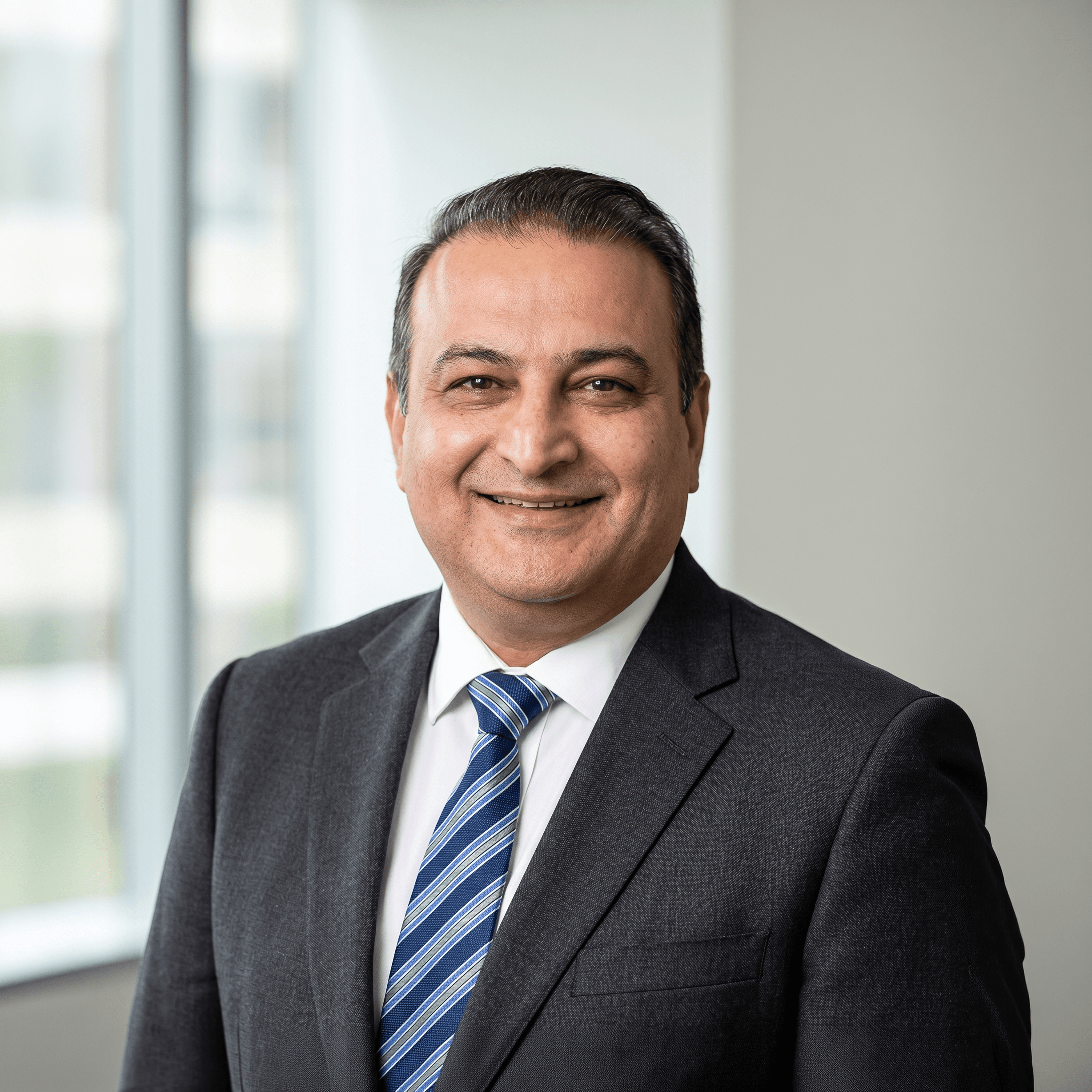
Dr Sajid Umar — Custodian of Foundations of Legacy
Dr Sajid Umar

In the Name of Allah, the Most Merciful, the Bestower of Mercy

All praise is due to Allah, Lord of the worlds. We send peace and blessings upon the Final Messenger, Muhammad ﷺ, and upon his family, his companions, and those who follow them with excellence until the Final Day.

It is with a deep sense of responsibility, and a sincere awareness of our limitations, that Foundations of Legacy presents this symposium. We do so not as a claim to authority, nor as an attempt to advance a particular position, but as a humble facilitation of a process that belongs, in its essence, to the scholars of this Ummah and to the sacred trust they carry.

The questions addressed within this gathering are not of a light or incidental nature. They touch upon the integrity of zakah, one of the pillars of Islam, and upon the welfare, dignity, and protection of Muslim communities living within complex and often challenging minority contexts. These are matters in which haste, individualism, or institutional expediency have no place. Rather, they demand deliberation that is anchored in revelation, disciplined through the juristic tradition, and conscious of contemporary realities.

Our tradition has never treated such matters as the domain of isolated judgement. Rather, it has preserved a model of collective scholarly engagement, wherein those grounded in knowledge come together to examine, test, refine, and, where possible, articulate guidance that carries both intellectual integrity and communal trust. It is this model that we have sought, in a modest way, to facilitate through this symposium.

Foundations of Legacy exists to serve scholarship and to honour the processes through which it is preserved, transmitted, and applied. This initiative reflects that vision: a project for scholars and scholarship, by scholars, facilitating scholars in fulfilling the mandate placed upon them by Allah — a mandate of clarification, of guidance, and of safeguarding the din in both its principles and its application.

We are acutely aware that the value of this effort lies not in its organisation, nor in its presentation, but in the sincerity, rigour, and integrity of the scholarly engagement it hosts. For this reason, our role has been deliberately limited to facilitation — to bringing together the necessary people, creating the appropriate environment, and supporting a process that must remain, in its substance and outcome, independent, disciplined, and faithful to the tradition.

We extend our sincere gratitude to the senior scholars and notable contributors from the United Kingdom, Europe, the United States and elsewhere who have honoured this gathering with their participation. Their presence reflects a commitment to collective responsibility and a recognition of the importance of addressing contemporary challenges through sound and principled scholarship.

We also acknowledge the contributions of the researchers, legal specialists, and institutional practitioners whose engagement ensures that the discussion remains grounded in both reality and responsibility.

We ask Allah to place barakah in this effort, to grant the scholars clarity and tawfiq, to guide the discussions towards that which is most pleasing to Him, and to make the outcomes a means of preserving the integrity of zakah and serving the needs of His servants in a manner that is just, balanced, and faithful to His guidance.

And Allah knows best.

Dr Sajid UmarCustodian, Foundations of Legacy
Opening message · Islamic Finance Advisory

03 / The Academic Authority

A message from the Academic Authority.

Moynul Hussein — Division Manager, Islamic Finance Advisory — on scholarship, process, and the drafting of the final standard.

Islamic Finance Advisory

In the Name of Allah, the Most Merciful, the Bestower of Mercy

All praise is due to Allah, Lord of the worlds. We send peace and blessings upon the Final Messenger, Muhammad ﷺ, and upon his family, his companions, and those who follow them with excellence.

Islamic Finance Advisory is honoured to serve as the academic authority for this symposium, and we do so with a clear recognition that this responsibility is, before anything else, a trust.

We begin by expressing our sincere appreciation to Foundations of Legacy for convening this gathering with such care, intention, and respect for scholarly process. The effort to bring together senior scholars, researchers, legal specialists, and practitioners within a structured and disciplined environment reflects a deep understanding of what is required when addressing matters of consequence to the Ummah. We also extend our gratitude to all those who have committed their time, knowledge, and effort to this symposium — in particular the senior scholars from the United Kingdom, Europe, the United States and other parts of the world, whose participation honours both the subject and the process through which it is being examined.

Islamic Finance Advisory operates with a vision of a world in which wealth-building is divinely inspired, equitable, and seamless, with no one left behind in the pursuit of wellbeing. Our mission is to serve as a primary institution enabling individuals and organisations to conduct their financial affairs in accordance with the Shari'ah, through principled guidance, structured advisory, and holistic education.

Within the zakah space in particular, Islamic Finance Advisory has sought to contribute through the development of governance frameworks, the issuance of zakah policies for the third sector, and the provision of audited zakah certification. Our work is grounded in a commitment to responsible scholarship, informed by mutual reasoning (shura), and directed towards solutions that are both faithful to the tradition and applicable within contemporary institutional contexts.

It is from within this remit that we approach our role in this symposium. Our responsibility is not to determine outcomes, but to ensure that the scholarly process is captured, preserved, and translated with integrity into a form that can guide institutions with clarity and confidence.

This begins with the detailed and disciplined capture of the symposium’s intellectual substance. Every paper presented, every response offered, and every deliberative exchange forms part of a broader evidentiary and analytical process. It is essential that this is recorded faithfully, with due attention to nuance, evidential basis, and the distinctions between agreement, divergence, and ongoing inquiry.

In collaboration with the Foundations of Legacy team, we will also support the structuring of the closed scholarly deliberation. This phase represents the core of the symposium’s academic function, where research and discussion are collectively examined, refined, and synthesised. Our role is to assist in maintaining a process that is methodologically coherent, respectful of the juristic tradition, and attentive to the responsibilities that arise when translating scholarship into guidance.

The most significant dimension of our responsibility, however, lies in the post-symposium effort.

Islamic Finance Advisory will undertake the drafting and publication of the final fiqh standard arising from this gathering. This will involve a careful and multi-layered process, including:

  • the consolidation and review of all research papers, responses, and deliberative contributions,
  • the structured articulation of established principles across the relevant areas of fiqh,
  • the clear identification of permissible, impermissible, and conditionally permissible applications,
  • the documentation of recognised scholarly differences without reduction or misrepresentation,
  • and the development of a coherent governance framework that can be utilised by trustees, zakah institutions, and practitioners.

This work requires restraint as much as it requires articulation. It demands that what is conveyed reflects what was established, that what remains uncertain is presented as such, and that the final output serves both scholarly integrity and institutional responsibility.

Our intention is to produce a reference document that is not only academically sound, but also practically meaningful — one that supports those entrusted with zakah in fulfilling their duties with clarity, confidence, and accountability.

We ask Allah to grant success to the scholars in their deliberations, to place barakah in this collective effort, and to make its outcomes a means of preserving the integrity of zakah and serving the needs of the community in a manner that is just and faithful to His guidance.

And Allah knows best.
Moynul HusseinDivision Manager · Islamic Finance Advisory
Symposium overview

04 / Context

A structured scholarly gathering.

Two extended days, an integrated academic process, and a clear intended outcome: a reference-grade fiqh standard.

The Foundations of Legacy Fiqh Symposium 2026 is a structured scholarly gathering convened to examine a complex and increasingly consequential question: the scope and limits of zakah utilisation in relation to forms of public-interest activity and community-serving functions within Muslim minority contexts.

This symposium brings together senior scholars representing the recognised Sunni madhahib, alongside specialised researchers, legal experts, and institutional practitioners. It is designed as an integrated academic process, combining foundational fiqh inquiry, maqasid-based reasoning, legal analysis, and engagement with contemporary institutional realities.

The programme is structured across two extended days. The first day establishes the intellectual and practical foundations through public academic sessions, incorporating legal frameworks, practitioner insights, and detailed fiqh research. The second day is dedicated to closed scholarly deliberations, wherein selected senior scholars and researchers engage in disciplined evaluation, synthesis, and principled determination.

The intended outcome is the development of a reference-grade fiqh standard addressing the governance of zakah in advocacy-adjacent contexts — formally drafted and published by Islamic Finance Advisory, providing clear, responsible, and methodologically grounded guidance for institutions operating within the United Kingdom and comparable minority settings.

The topic & its importance

05 / The Question

A question of weight and consequence.

Zakah is not a general charitable resource, but an act of worship governed by defined categories, conditions, and objectives.

Muslim communities living as minorities increasingly encounter conditions that give rise to needs extending beyond traditional models of charitable provision — access to essential services, protection from harm, preservation of dignity, and constructive engagement within wider societal frameworks.

Charitable response

Community-based organisations have developed forms of activity aimed at supporting communal wellbeing — research, education, legal support, community representation.

A central question

Whether, and under what conditions, zakah funds may be utilised in relation to such activities.

A sacred trust

Any extension of zakah application requires careful examination grounded in the juristic tradition.

The importance of this topic lies in its intersection between the preservation of the integrity of zakah, the responsible governance of charitable institutions, and the legitimate needs of communities navigating contemporary realities.

Why this symposium is needed

06 / The Gap

Insufficiently developed discourse.

Institutions are often required to decide in areas where established guidance is limited or absent.

Despite the significance of the issue, the question of zakah utilisation in relation to broader public-interest activity remains insufficiently developed within contemporary fiqh discourse, particularly within the institutional landscape of Muslim minorities.

While the classical juristic tradition provides extensive treatment of zakah and its categories, the specific configurations of modern institutional life — regulatory frameworks, organisational structures, and the expanded scope of community-facing activity — present questions that have not always been examined in a systematic and contextually grounded manner.

Activities undertaken with the intention of serving communal welfare may not align clearly with traditional classifications, giving rise to uncertainty in both principle and application.

  • Difficulty in defining the boundaries of permissible activity
  • Uncertainty in governance and decision-making processes
  • The absence of structured frameworks to support consistent and accountable use of zakah

What is required is not a broadening of application by default, but a careful clarification of principles — a structured scholarly process engaging the juristic tradition across the recognised madhahib, incorporating maqasid and usul considerations, and remaining attentive to the legal and operational realities within which institutions function.

The need for scholarly convention

07 / Methodology

A methodology, not merely a procedure.

Questions of this nature do not lend themselves to isolated opinion or ad hoc institutional reasoning.

Within the Islamic scholarly tradition, such matters have historically been addressed through processes of collective deliberation. Scholars grounded in fiqh and usul would gather to examine evidences, test reasoning, consider implications, and — where possible — articulate guidance that reflects both juristic integrity and communal responsibility.

Historic model

Not merely procedural but methodological — ensuring evidences are examined comprehensively, reasoning is subjected to scholarly scrutiny, and conclusions are reached with due caution and accountability.

Contemporary application

In contexts where institutional decision-making carries heightened legal, financial, and reputational implications, the need for structured scholarly convention becomes even more pronounced.

The symposium is conceived not as a platform for advocacy or the advancement of predetermined positions, but as a disciplined scholarly exercise — to produce guidance that commands both scholarly credibility and institutional confidence.

Academic methodology

08 / Framework

Three interrelated foundations.

A principled framework faithful to the juristic tradition whilst responsive to contemporary institutional realities.

01

Madhhab-grounded juristic analysis

The primary analytical structure of the symposium is rooted in the recognised Sunni madhahib. Dedicated research papers examine the relevant zakah categories (masarif) within each school, drawing upon their established textual sources, juristic reasoning, and recognised pathways of legal derivation.

This ensures that any discussion concerning the contemporary application of zakah remains anchored within the inherited legal tradition, and enables the identification of convergence, divergence, and nuance across the schools — preserving the integrity of recognised juristic diversity (ikhtilaf) without reduction or simplification.

02

Usul al-Fiqh and Maqasid framing

Complementing the madhhab-based analysis is a distinct layer of usuli and maqasid-based inquiry — not intended to replicate madhhab treatments, but to provide a foundational methodological framing that examines the issue at the level of principles, objectives, and juristic reasoning.

These contributions provide the conceptual scaffolding through which contemporary questions may be approached with both depth and restraint, particularly where direct precedent is limited or institutional complexity requires careful analytical treatment.

03

Legal and institutional contextualisation

A structured engagement with the legal and institutional realities within which zakah governance operates, particularly in the United Kingdom — the statutory and regulatory framework, the fiduciary responsibilities borne by trustees, and the operational constraints that shape institutional decision-making.

A dedicated legal and practitioner session provides a factual and contextual grounding for the scholarly discussions, ensuring deliberations are informed by accurate representations of contemporary practice, without predetermining fiqh conclusions or directing outcomes.

Methodological focus · Usul & Maqasid considerations
  • The relevant shar'i objectives — preservation of religion, life, dignity, communal welfare, and justice
  • The role of harm prevention, public interest, and communal necessity within usul al-fiqh
  • The methodological distinction between objectives and means, and the regulation of instruments and pathways
  • The evidentiary weight of context, consequence, and probability in shar'i reasoning
  • The principled limits within which maqasid-based reasoning may operate without contravening textual or juristic constraints

Methodological integration

Commissioned research establishes the evidentiary foundation. Designated respondents (mu'aqqibin) undertake structured critique. Collective deliberation follows — distinguishing established rulings from contemporary extensions and articulating the boundaries, conditions, and safeguards necessary for responsible application.

Key research themes

09 / Scope

Ten interrelated lines of inquiry.

These themes are approached in an integrated manner — juristic analysis, methodological reasoning, and institutional realities held together.

01Theme 1 / 10

Zakah categories (masarif) and their scope

A detailed examination of the recognised categories of zakah across the four madhahib, with particular attention to their underlying reasoning, scope, and conditions of application.

Research papers & academic contributions

10 / Tracks

A structured evidentiary foundation.

Commissioned papers across three complementary tracks — madhhab-grounded fiqh, usuli and maqasid inquiry, and a dedicated legal session.

01 · Hanafi

Zakah, public-interest activity, and communal protection

A foundational and applied Hanafi study

02 · Maliki

Deploying zakah for collective welfare and communal preservation

A foundational and applied Maliki study

03 · Shafi'i

Zakah allocation for collective interests and community support

A foundational and applied Shafi'i study

04 · Hanbali

Zakah, harm prevention, and communal safeguarding

A foundational and applied Hanbali study

Researchers & contributors

11 / The Collective

Scholars, specialists, and respondents.

A dedicated group responsible for producing the commissioned papers and supporting the scholarly process.

Islamic research
  • Dr Zishan Choudhury
  • Shaykh Foad Abdo
  • Hud Bradford
  • Dr Ahmed Khater
  • Dr Yusuf Wahb
Legal & charity specialists
  • Kashif Shabbir
  • Jahangir Mohammed
  • Augustus Della-Porta
Session ChairUmer Suleman
Scholarly respondents (mu'aqqibin)

A select number of senior scholars will serve as designated respondents — testing evidentiary strength, identifying areas of agreement and divergence, and supporting the development of a coherent scholarly framework. Panellists announced closer to the event.

Our esteemed guests

12 / The Assembly

Scholars convened for this work.

A selection of the scholars participating in the symposium — their disciplines, institutions, and distinctive contributions to the field.

  • Shaykh Dr Mohammad Akram Nadwi
  • Dr Shaykh Abdur-Rahman ibn Yusuf Mangera
  • Dr Suhaib Hasan
  • Shaykh Haytham Tamim
  • Prof. Sheikh Mohammed Ali Belaoo
  • Dr Osman Farah
  • Sheikh Sidi Mohamed al-Shinqiti
  • Sheikh Prof. Waleed Edrees al-Meneese
  • Dr Ahmed Khater
  • Joe Bradford
  • Yousef Wahb
  • Mufti Abdul Kadir Barkatulla
  • Dr Zeeshan Chaudri
  • Dr Othmane Chouchane
  • Mufti Mohammed Zubair Butt
  • Shaykh Dr Haitham al-Haddad
  • Shaykh Mustafa al-Shaybani
  • Shaykh Dr Mohammad al-Sa'eedi
  • Shaykh Imtiyaz Damiel
  • Shaykh Dr Sohail Hanif
  • Shaykh Dr Hatem al-Haj
  • Shaykh Dr Mohammad Akram Nadwi

    Shaykh Dr Mohammad Akram Nadwi

    Principal & Co-Founder, Al-Salam Institute

    Shaykh Dr Mohammad Akram Nadwi is a world-renowned scholar of Indian origin who has resided in England for the last 30 years. He is recipient of the Allamah Iqbal prize for contribution to Islamic thought and is the Principal and Co-Founder of Al-Salam Institute.

    Dr Nadwi received advanced in-depth training in the traditional Islamic disciplines at Nadwat al-Ulama (Lucknow, India) followed by a PhD in Arabic Literature from Lucknow University. Thereafter he was sent to England as Allamah Sayyid Abul Hasan Ali Nadwi's representative, becoming a Research Fellow at the Oxford Centre for Islamic Studies. Over the course of two decades he conducted research on Hadith and Sufi orders in India amongst other scholarly topics. He has published widely in Urdu, Persian, Arabic, and English.

    He is also author of Al-Muhaddithat: The Women Scholars in Islam, a monumental 43-volume biographical dictionary charting the significant contributions made by female Hadith scholars over the past 1400 years.

  • Dr Shaykh Abdur-Rahman ibn Yusuf Mangera

    Dr Shaykh Abdur-Rahman ibn Yusuf Mangera

    Founder, Whitethread Institute

    Dr Shaykh Abdur-Rahman ibn Yusuf Mangera is a British Muslim scholar educated in both Islamic and Western traditions. He memorised the Quran early, graduated from Darul Uloom Bury (UK), and completed advanced fatwa specialisation at Mazahir Ulum, Saharanpur (India). He later earned a BA Honours from the University of Johannesburg and an MA and PhD in Islamic Studies from SOAS, University of London, and holds an honorary fellowship at The Royal Aal al-Bayt Institute for Islamic Thought in Amman, Jordan.

    Shaykh Abdur-Rahman has served Muslim communities on both sides of the Atlantic, including eight years as an imam in Southern California and over five years in London. He currently sits on several national advisory boards as a mufti and founded Whitethread Institute, a postgraduate centre for advanced Islamic scholarship, and Menses Matters. He is an accomplished author with multiple publications and continues to contribute to scholarly work through White Thread Press.

  • Dr Suhaib Hasan

    Dr Suhaib Hasan

    President, European Council for Fatwa and Research

    Dr Suhaib Hasan is a distinguished scholar of the Islamic sciences, renowned for his extensive contributions to jurisprudence and Hadith studies in the West. Born in India in 1942, he holds a PhD in Theology and an MA with Research from the University of Birmingham, alongside a Licentiate in Sharia from the Islamic University of Madinah.

    He is a central figure in the institutionalisation of Sharia in Europe, currently serving as President of the European Council for Fatwa and Research and Chairman of the Islamic Sharia Council, UK & Eire. He has held significant leadership roles, including former Chairman of Muslim Aid UK and former President of Markazi Jamiat Ahl-e-Hadith UK. A prolific author in English, Arabic, and Urdu, his works include An Introduction to the Science of Hadith, and he played a pivotal role in revising the Abdullah Yusuf Ali translation of the Quran.

  • Shaykh Haytham Tamim

    Shaykh Haytham Tamim

    Founder, Utrujj Foundation

    Shaykh Haytham Tamim is a Shariah scholar specialising in Islamic jurisprudence (Fiqh), Hadith, and Islamic banking and finance. He trained under leading scholars in Beirut and Damascus, receiving advanced ijazahs in Quran, Hadith, and Fiqh. He has taught comparative Fiqh at Beirut Islamic University and completed judicial training within the Lebanese Sunni Shariah court system.

    He has verified and published over twenty classical Islamic texts in Hadith and Fiqh, and is the author of numerous English-language works on Tafsir, Hadith, Fiqh, halal earnings (al-Kasb), Islamic contracts, and markets in pre-Islamic Arabia. Shaykh Haytham advises financial institutions and international organisations across Europe and the Middle East, serves as Chairman of the Shariah Board of Lotus Bank (Nigeria), and has advised WHO, UNICEF, and Save the Children on Zakat governance and compliance. He is the Founder of Utrujj Foundation and Director of Shariah Solutions Limited.

  • Prof. Sheikh Mohammed Ali Belaoo

    Prof. Sheikh Mohammed Ali Belaoo

    CEO & Director of Religious Affairs, Abrahamic Foundation

    Prof. Sheikh Mohammed Ali Belaoo is a distinguished academic, jurist, and Quranic reciter with an extensive background in Islamic jurisprudence and theology. He currently serves as CEO and Director of Religious Affairs at the Abrahamic Foundation, President of IMAM for Training and Development, and is a member of the Fatwa Committee UK.

    He holds two PhDs — one in Maqasid (Objectives of Islamic Law) from Beirut Islamic University and another in Aqidah and Islamic Thought from Al-Qarawiyyin University, Morocco — alongside first-class Bachelor's and Master's degrees in Islamic Jurisprudence from the Asmaria University for Islamic Sciences in Libya. He completed his memorisation of the Quran at age eleven and holds ijazah in the ten Qira'at. His global career as an Imam has spanned the UK, Kuwait, and Denmark, and he has taught at universities across many countries. He has authored numerous books in fiqh, aqeedah, and tazkiyah.

  • Dr Osman Farah

    Dr Osman Farah

    Member, Fatwa Committee UK

    Dr Osman Farah is a specialist in Islamic law, particularly fiqh and hadith. His master's thesis focused on comparative jurisprudence, and his doctoral dissertation was completed at the Faculty of Hadith at Al-Madinah International University.

    He has taught at several universities and institutes across different countries, supervised and examined master's and doctoral theses, and delivered lectures in many European countries. He has also served as Chairman of the Board of Trustees of a major academic centre. He is the author of several books and research papers, and is a member of the Fatwa Committee in the United Kingdom, affiliated with the European Council for Fatwa and Research.

  • Sheikh Sidi Mohamed al-Shinqiti

    Sheikh Sidi Mohamed al-Shinqiti

    Mauritanian scholar and linguist

    Sheikh Sidi Mohamed al-Shinqiti is an esteemed Mauritanian scholar and linguist distinguished for his mastery of the traditional Islamic sciences. He graduated first in his class from the Emir Abdelkader University for Islamic Sciences, memorised the Quran at a young age, and holds formal ijazat in the seven Qira'at.

    His scholarship is deeply rooted in the rigorous Mahdhara system of Mauritania, where he studied directly under senior shaykhs. His expertise spans classical texts including the Alfiyyah of Ibn Malik in Arabic grammar, the Mukhtasar of Khalil in Maliki jurisprudence, and the Maraqi al-Suud in legal theory. He is well-versed in Hadith sciences through works such as the Alfiyyah of al-Iraqi and Tadrib al-Rawi, and is a specialist in Arabic literature and prosody, with extensive knowledge of pre-Islamic poetry.

  • Sheikh Prof. Waleed Edrees al-Meneese

    Sheikh Prof. Waleed Edrees al-Meneese

    President, Islamic University of Minnesota

    Sheikh Prof. Waleed Edrees al-Meneese is a preeminent scholar, jurist, and educator who serves as President of the Islamic University of Minnesota. Born in Alexandria, Egypt, in 1967, he holds the academic rank of Professor, specialising in Islamic Studies with a focus on Quranic Recitations (Qira'at) and the Principles of Jurisprudence (Usul al-Fiqh). His PhD dissertation addressed the fourteen recitations in relation to creed and law.

    He is President of the North American Federation of Quran Reciters and a member of the Fatwa Committee of the Assembly of Muslim Jurists of America (AMJA). He studied for years under authorities such as Sheikh Abdul Aziz bin Baz and Sheikh Muhammad bin Salih al-Uthaymeen, holds ijazahs in the ten major and minor Quranic recitations, and has graduated over 150 students in these sciences. His works include 'Judicial Work Outside Islamic Lands' and several commentaries in creed, inheritance, and Quranic sciences.

  • Dr Ahmed Khater

    Dr Ahmed Khater

    Assistant Professor of Islamic Studies, Graduate Theological Union

    Ahmed Khater was born and raised in the San Francisco Bay Area. He graduated from the University of California, Berkeley with a BA in legal studies, and attained a second BA from Al-Azhar University in Islamic sciences and Arabic language. He holds an MA and PhD from the Graduate Theological Union in Berkeley, both specialising in Islamic law and legal theory, and has received ijazat in various Islamic sciences, including licenses to teach and narrate the Hanbali school of law.

    He is an Assistant Professor of Islamic Studies at the Graduate Theological Union and a member of its Core Doctoral Faculty, and an Adjunct Associate Professor of Islamic studies at Saint Mary's College in California. He works with the Assembly of Muslim Jurists of America as an Islamic law consultant and Resident Fatwa Committee secretary, teaches at Zidni Institute, and is resident scholar at Masjid Annur Islamic Center, California. He previously served as Dean of the English Faculty of Shariah at the Islamic University of Minnesota.

  • Joe Bradford

    Joe Bradford

    Certified Shariah Adviser and Auditor (CSAA)

    Joe Bradford is an American Islamic finance expert, advisor, and scholar with over 15 years of experience in Shariah-compliant finance and ethical investing. He holds master's degrees in Islamic Law and Finance, is a Certified Shariah Adviser and Auditor (CSAA) accredited by AAOIFI, and is currently pursuing a PhD in financial injustice at the International Islamic University of Malaysia.

    He is resident scholar at the Islamic Da'wah Center, Houston TX, In-house Zakat Advisor for Zakat Foundation of America, and CSO (Chief Sharia Officer) for NylaBank.

  • Yousef Wahb

    Yousef Wahb

    Research Fellow of Islamic Philanthropy, Western University

    Yousef Wahb is a Research Fellow of Islamic Philanthropy at Western University (Canada), Director of Scholar Development and Academic Partnerships at Yaqeen Institute, and an author on Family Law and Islamic Finance for LexisNexis Canada. He holds an LLM from Windsor Law, an MA from the University of Chicago Divinity School, and a BA in Islamic Studies from Al-Azhar University. He is currently pursuing a PhD in Islamic Law in the Middle Eastern Studies program at the University of Chicago.

  • Mufti Abdul Kadir Barkatulla

    Mufti Abdul Kadir Barkatulla

    Senior Lecturer of Islamic Finance, Ebrahim Community College

    Mufti Barkatulla is Senior Lecturer of Islamic Finance at Ebrahim Community College. A prominent Islamic Sharia law scholar with a strong background in economics and finance, he has served UK Muslims as a community worker and Sharia Judge at the Islamic Sharia Council, London, and as head of Shariah at the Halal Food Authority, UK.

    He is a member of the Sharia supervisory boards for several Islamic financial institutions and banks, including Islamic Bank of Britain, and maintains the Islamic Helpline. He has developed Islamic Sharia information databases and hosted live phone-in shows on community TV channels, and brings a wealth of experience in Islamic community affairs and financial issues in Europe.

  • Dr Zeeshan Chaudri

    Dr Zeeshan Chaudri

    Head of Research, National Waqf · Whitethread Institute

    Dr Zeeshan Chaudri began his formal Islamic studies in the Alimiyyah programme at Dar al-Ulum Dewsbury before transferring to Imam Zakariya Academy in London, where he completed his Alimiyyah training. He subsequently completed an MA in Islamic Studies at the Markfield Institute of Higher Education (MIHE) and a PhD at SOAS, University of London, within the Department of Religions and Philosophies — focusing on the intellectual history of the Deoband tradition.

    He has taught in the Alimiyyah programme at Imam Zakariya Academy and Jamiat al-Rawda, and currently teaches postgraduate courses at the Whitethread Institute specialising in Fiqh, Hadith, and Tafsir. He also serves as Head of the Research Department at National Waqf and has recently established his own educational initiative, The Reading Institute.

  • Dr Othmane Chouchane

    Dr Othmane Chouchane

    Dean, Birmingham College of Humanities

    Dr Othmane Chouchane is Dean of the Birmingham College of Humanities (UK) and a specialist in Principles of Islamic Jurisprudence (Usul al-Fiqh), Arabic language, and Islamic studies. He holds a PhD, MA, and BA in Usul al-Fiqh from Imam Mohammad Ibn Saud University in Riyadh.

    He has taught Arabic and Islamic studies at several institutions, including the University of Birmingham, Knowledge International University, and the European Institute of Human Sciences. His academic interests include Islamic legal theory, education, finance, and community engagement. He is also an author, researcher, and Islamic legal advisor.

  • Mufti Mohammed Zubair Butt

    Mufti Mohammed Zubair Butt

    Senior Jurisconsult, Institute of Islamic Jurisprudence, Bradford

    Mufti Mohammed Zubair Butt is Senior Jurisconsult at the Institute of Islamic Jurisprudence, Bradford; Chair of the Al-Qalam Sharia Scholars Panel; Chair of the Sharia Panel of the National Zakat Foundation; Chair of the Sharia Scholars Panel for the National Burial Council; and a director and trustee of the Council for Mosques Bradford and District.

    He has been a hospital chaplain since August 2000 and served as Senior Imam at Masjid Ibraheem & Education Centre, Bradford for ten years, and continues to lecture on Sahih al-Bukhari on the Alimiyyah programme at Madrasah Madania Tahfeezul Quran. He memorised the Quran at the age of fifteen, completed the Shahada al-Alimiyyah programme with an MA from Darul Ulum Karachi, and undertook further specialisation in Islamic legal edicts under Sheikh Mufti Muhammad Taqi Usmani.

    Mufti Zubair has a keen interest in Islamic finance and Islamic bioethics, has represented Muslim ethico-legal opinion on national radio and TV, and has published research in international peer-reviewed journals. In June 2019 he issued a detailed Fatwa on organ donation, available on the NHSBT website.

  • Shaykh Dr Haitham al-Haddad

    Shaykh Dr Haitham al-Haddad

    Chairman, Fatwa Committee for the Islamic Council of Europe

    Shaykh Dr Haitham al-Haddad is a scholar and jurist based in the United Kingdom, recognised for his expertise in Islamic law, finance, and community leadership. Born in Taif, Saudi Arabia, and of Palestinian origin, he holds a PhD in Islamic Law from SOAS, University of London, alongside a Bachelors in Sharia and Law from Omdurman University and a BSc in Computer Science & Engineering from KFUPM.

    He currently serves as Chairman of the Fatwa Committee for the Islamic Council of Europe and is the Founder and Chairman of Al-Markaz for Revival and Reform Studies. He provides Shariah consultancy for financial entities such as Ansar Finance Group and has previously served as a judge for the Islamic Sharia Council for the UK and Eire. His recent works include 'Post Madhabism and non-Madhabism' (2024) and 'The Islamic Judicial Framework'.

  • Shaykh Mustafa al-Shaybani

    Shaykh Mustafa al-Shaybani

    Maliki scholar · Mahdara-trained Imam

    Shaykh Mustafa al-Shaybani was traditionally trained in the Islamic sciences by his father, the world-renowned Maliki scholar Shaikh Mustafa al-Shaybani, who was a senior judge and author of numerous works in the field of jurisprudence. He then went on to study in the classical mahdara system of Mauritania, and served as an Imam in various countries for over 10 years.

    He holds a BA in Islamic Studies from Imam Muhammad ibn Sa'ud University, and an MA and PhD in Islamic Studies from the University of Yarmuk (Jordan) and Manchester, respectively.

  • Shaykh Dr Mohammad al-Sa'eedi

    Shaykh Dr Mohammad al-Sa'eedi

    Vice-Dean & Professor, Birmingham College of Humanities

    Dr Muhammad bin Fa'id al-Sa'idi is a distinguished jurist and academic currently serving as the Vice-Dean and Professor at the Birmingham College of Humanities. Originally educated in Yemen, he obtained his Ijazah Alamiyyah in Shariah and a Bachelor's degree from the Faculty of Arts before earning a PhD in Islamic legal adjudication. His scholarly formation is unique for its integration of formal university studies with traditional apprenticeship, having received scholarly authorisations from eminent figures such as the former Mufti of Yemen, Judge Shaykh Muhammad bin Ismail al-Umrani, and the renowned Shafi'i scholar Shaykh Qasim Bahr al-Qudaymi.

    A specialist in multiple disciplines, Dr al-Sa'idi studied legal theory under the celebrated Dr Abd al-Karim Zaydan and Hadith sciences with Shaykh Hasan Haydar al-Wa'ili. Since moving to the United Kingdom in the early 2000s, he has become a vital contributor to the British Muslim intellectual landscape as a member of the British Fatwa Committee and a Sharia advisor in Islamic finance. At the Birmingham College of Humanities, which he helped found, he teaches jurisprudence, legal maxims, and Arabic linguistic sciences.

  • Shaykh Imtiyaz Damiel

    Shaykh Imtiyaz Damiel

    CEO & Founder, Abu Hanifah Foundation

    Shaykh Imtiyaz Damiel is a lecturer, educational consultant, and PhD researcher in Islamic Education at the University of Warwick. Having undertaken five years of Alimiyyah training in Islamic studies, he studied a BA (Hons) in Arabic and Comparative Religions (Leeds), a Diploma in Arabic Language, a BA (Hons) and MA in Islamic Studies (Riyadh), and an MA in Islamic Education (Warwick).

    He is the CEO and founder of the Abu Hanifah Foundation, a multi-award-winning educational charity in Blackburn, and a recipient of the 2016 British Imams and Scholars award for outstanding contribution to youth work. He is an alumnus of the Senior Faith in Leadership Programme (Cambridge) and a council member of the British Board of Scholars and Imams.

  • Shaykh Dr Sohail Hanif

    Shaykh Dr Sohail Hanif

    Chief Executive Officer, National Zakat Foundation

    Dr Sohail Hanif is the Chief Executive Officer at the National Zakat Foundation. He works on Islamic legal theory, with a focus on the Hanafi school of law. He received an MA and DPhil from the University of Oxford. His doctoral thesis, A Theory of Early Classical Hanafism: Legal Epistemology in the Hidayah of Burhan al-Din 'Ali ibn Abi Bakr al-Marghinani (d. 593/1197), studies the interplay of rationality and tradition in a major work of legal commentary.

    Sohail has also spent over a decade in Jordan, where he studied a full curriculum of Islamic sciences with traditional 'ulama'. He was previously the Head of Arabic Sciences at Qasid Arabic Institute in Amman, BA Program Manager and Lecturer at the Cambridge Muslim College, and an instructor in Islamic studies at Qibla Online Academy. Additionally, he has taught undergraduate classes on Modern Islam and Qur'anic studies at the University of Oxford. He has also served as Head of Research and Development at the National Zakat Foundation.

  • Shaykh Dr Hatem al-Haj

    Shaykh Dr Hatem al-Haj

    Senior Member, Permanent Fatwa Committee · AMJA

    Shaykh Dr Hatem al-Haj is a scholar and a practicing physician who uniquely bridges the fields of Islamic jurisprudence and modern medicine. He holds a PhD in Comparative Fiqh from al-Jinan University in Lebanon and a Master's degree in Islamic Law from the American Open University, both with the highest honors. Simultaneously, he is a board-certified pediatrician and a Fellow of the American Academy of Pediatrics, having earned his medical degree from Alexandria University.

    Currently, Dr al-Haj serves as a senior member of the Permanent Fatwa Committee of the Assembly of Muslim Jurists of America (AMJA) and was previously the Dean of the College of Islamic Studies at Mishkah University. He is also the founder and president of Building Blocks of Islam, an organisation dedicated to community development and education. As a prolific author, his works include 'Umdat al-Fiqh Explained' and 'Between the God of the Prophets and the God of the Philosophers.' His dual expertise makes him a leading authority on contemporary issues where Sharia intersects the challenges of Muslim life in the West.

  • Additional scholars to be announced. The full list of contributors, respondents, and session chairs will be published closer to the symposium.

Symposium format & programme

13 / The Arc

Two extended days. A deliberate progression.

An intensive two-day academic engagement preserving the full intellectual depth of the original three-day programme.

Day 01
Public
Legal, institutional
& fiqh

Establishing the foundations.

  • Opening sessionFraming the objectives, scope, and methodological approach of the symposium
  • Legal & governance frameworksRegulatory environment governing charitable activity — institutional responsibilities and constraints
  • Scholarly reflections on legal contextAnalytical responses addressing the interaction between legal realities and juristic reasoning
  • Institutional & practitioner perspectivesStructured engagement with operational realities, community-serving functions, and governance challenges
  • Islamic legal foundationsCommissioned research papers: madhhab-based fiqh analysis, maqasid al-shari'ah frameworks, and usul al-fiqh contributions
  • Scholarly responses (mu'aqqibin)Critical examination and refinement of research contributions
  • Integrative scholarly discussionIdentification of key themes, areas of convergence, and questions requiring further deliberation
Day 02
Closed
By invitation

The core
deliberative phase.

  • Holistic evaluation of researchCareful review of the evidentiary, juristic, and methodological foundations presented
  • Application to zakah categoriesExamination of how contemporary functions may relate to recognised zakah classifications
  • Distinction & classificationImpermissible applications, permissible applications, and conditionally permissible cases
  • Conditions, safeguards, and boundariesArticulation of limits necessary to preserve the integrity of zakah and ensure responsible institutional use
  • Framework developmentFormulation of a principled structure to guide zakah governance in contemporary contexts

Drafting direction

Deliberations define the structure and scope of the final fiqh standard — areas of agreement, and documented areas of legitimate scholarly difference. Islamic Finance Advisory undertakes the drafting and publication based on these outcomes.

Attendance & registration

14 / Access

Places are strictly limited.

Attendance is designed to ensure a serious academic environment — confirmations issued based on suitability and available capacity.

Day One is open to a limited number of participants. The symposium is relevant to:

  • Scholars and muftis
  • Students of knowledge in fiqh and fatwa
  • Researchers and academics
  • Charity trustees and governance leads
  • Zakah practitioners and institutional operators
  • Legal and regulatory specialists

Attendance for Day One is by registration of interest only. Submission does not guarantee a place — confirmations are issued with the aim of maintaining a balanced and academically focused audience. Participants are encouraged to register early.

Expected outcomes

15 / Outputs

Four enduring contributions.

Scholarly and institutional outputs contributing meaningfully to academic discourse and practical governance.

01

Multi-madhhab fiqh standard

A structured and reference-grade fiqh standard addressing the use of zakah in relation to contemporary community-serving functions — clearly defined permissible, impermissible, and conditional applications, articulated safeguards and boundaries, and recognition of valid scholarly differences where they exist. Formally drafted and published by Islamic Finance Advisory.

02

Governance framework for zakah institutions

A principled framework designed to support trustees and institutions in making informed, consistent, and accountable decisions — including decision-making criteria, governance considerations, and guidance on documentation and oversight.

03

Proceedings and academic record

A consolidated record of the symposium’s scholarly contributions — research papers, scholarly responses, and integrative summaries — serving as a reference point for future research and engagement.

04

Institutional and scholarly impact

Enhanced clarity in zakah governance, support for responsible institutional practice, strengthened confidence among stakeholders, and a structured contribution to the development of minority fiqh.

Venue & contact

16 / Where

Dunkenhalgh Hotel & Spa.

A setting selected to support focused scholarly engagement, residential participation, and deliberation.

Venue

Dunkenhalgh Hotel & Spa

Blackburn Road, Clayton Le Moors, Lancashire BB5 5JP
Blackburn, United Kingdom

20 – 21 June 2026
Contact & enquiries

For further information or enquiries, please contact Foundations of Legacy directly.

Open contact page

A collective scholarly endeavour directed towards the preservation of the din and its juristic sciences, through principled engagement with contemporary realities — of which zakah governance forms a focused and necessary part.

Participate

Register your interest for the 2026 Symposium.