

A reference-grade fiqh standard.
Outputs formally drafted under the academic authority of Islamic Finance Advisory (IFA) as a reference standard for zakah governance.

A scholarly convening examining the ruling on the deployment of zakah in advocacy-related activities, 20–21 June 2026, United Kingdom.
The Dunkenhalgh Hotel · 20 – 21 June 2026
Key information, research themes, scholars, and programme, with deeper detail available in the full prospectus.



























Whether, and under what conditions, zakah funds may be utilised in relation to public-interest activity and community-serving functions in Muslim minority contexts.
This is not a question of broader application by default, but one of careful clarification of principles, a disciplined scholarly process faithful to the trust associated with zakāh.
Outputs formally drafted under the academic authority of Islamic Finance Advisory (IFA) as a reference standard for zakah governance.
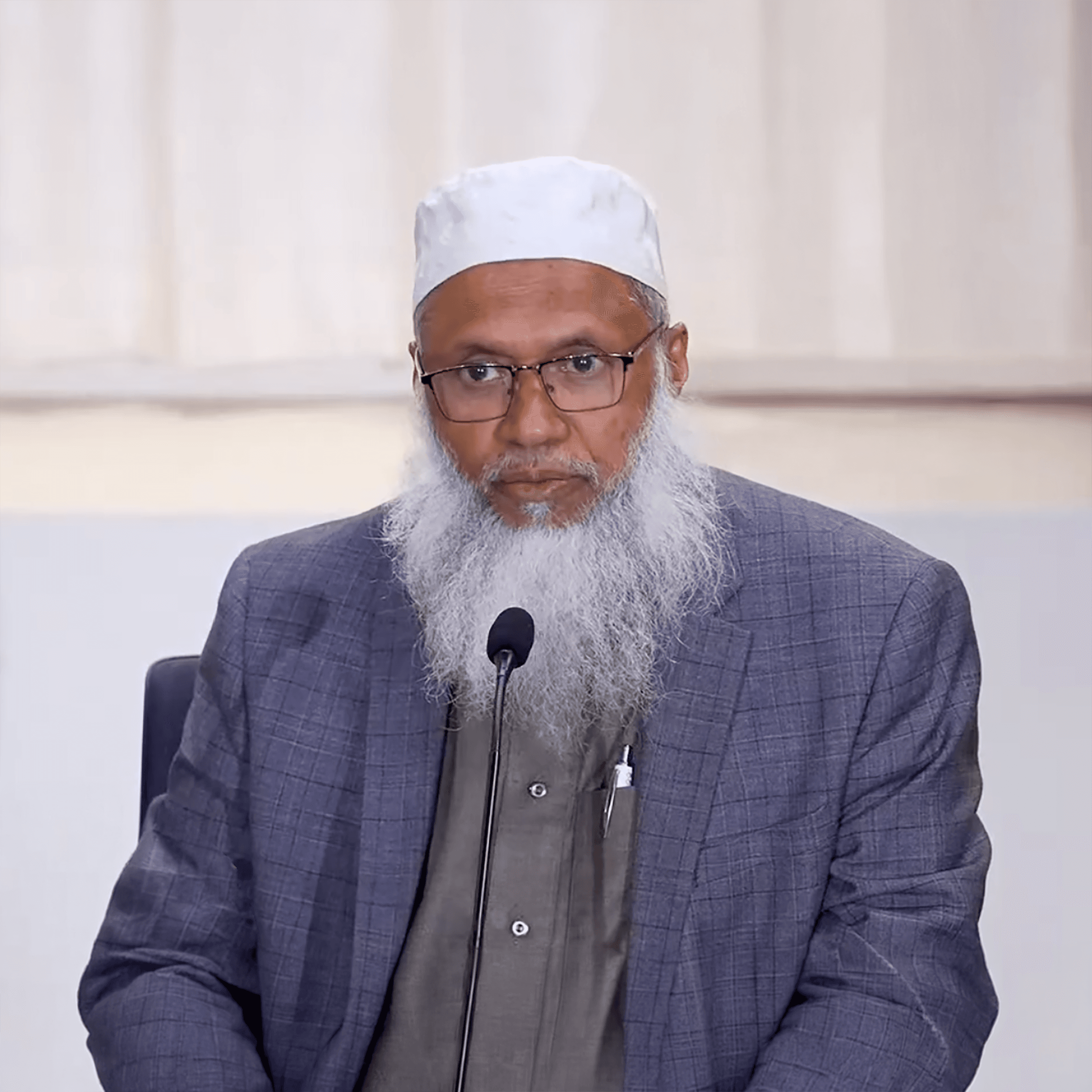
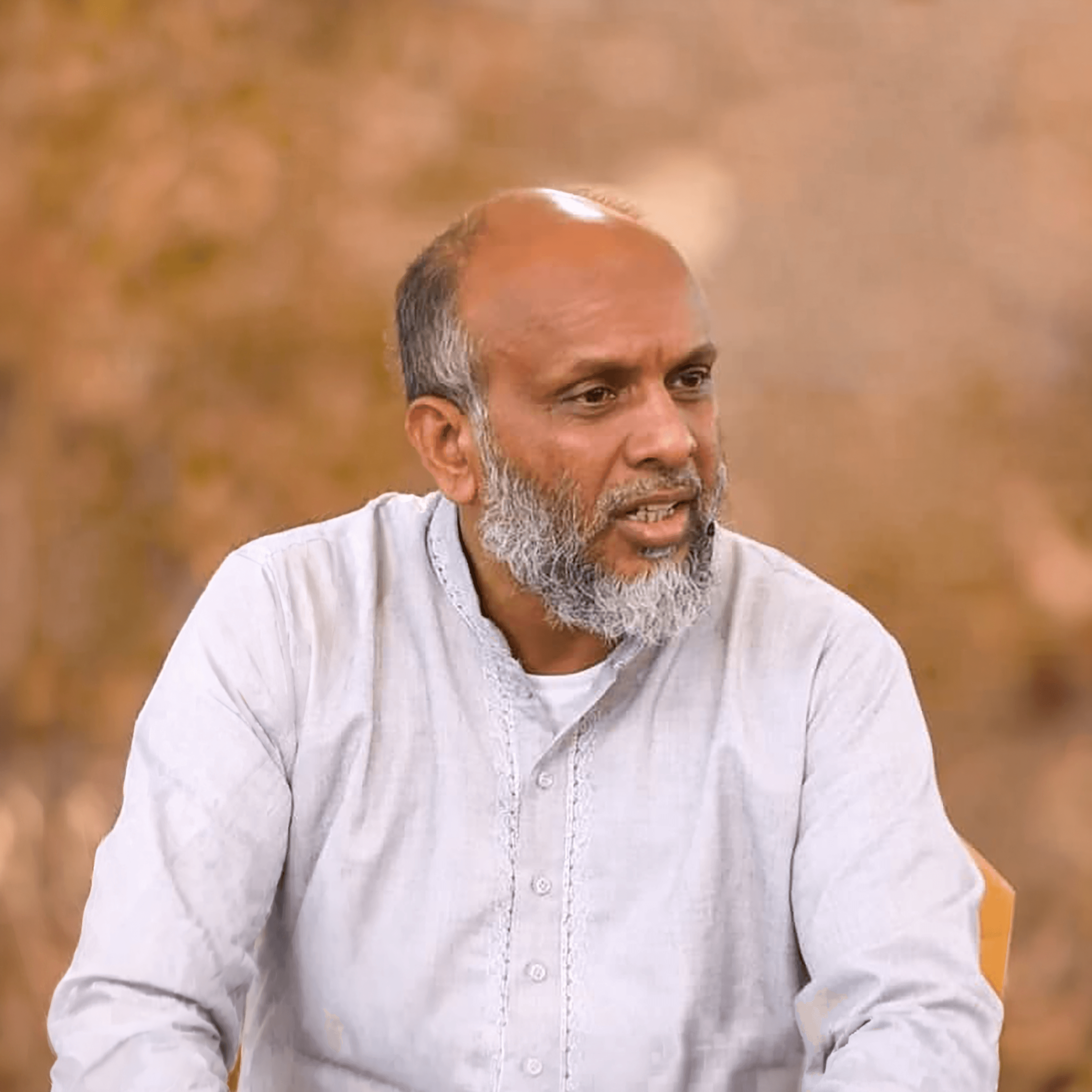
Senior and participating scholars, alongside specialised researchers, legal experts, and institutional practitioners.
Academic Authority

Academic Authority
The symposium’s published proceedings and resolutions are produced under the academic editorial oversight of Islamic Finance Advisory, our Academic Authority.
Dedicated research across the four Sunni madhahib, preserving juristic diversity without reduction.
Principled reasoning on public interest, harm prevention, and the regulation of objectives and means.
An analytical study in fiqh al-dalīl and legal preference (tarjīḥ), examining the evidentiary weight of positions on deploying zakah funds in advocacy-adjacent work.
Contemporary UK regulatory, fiduciary, and operational realities informing, not directing, fiqh.
Scholars, methodology, research themes, programme, and expected outcomes, set out in full.
Intellectual and practical grounding across legal context, institutional practice, and commissioned papers from participating scholars.
A closed session for structured scholarly convention, examining evidences, refining reasoning, and recording agreement and difference with precision.
I / Context
Muslim communities living as minorities increasingly encounter conditions that give rise to needs extending beyond traditional models of charitable provision, access to essential services, protection from harm, preservation of dignity, and the ability to engage constructively within wider societal and institutional frameworks.
In response, charitable and community-based organisations have developed activities aimed at supporting communal wellbeing in a broader sense, research, public education, legal support, community representation, institutional development, and engagement with regulatory or policy environments.
Such activity is often described under broad headings like public-interest work or advocacy. Yet it encompasses a wide spectrum of functions, many not political in nature, but relating to service provision, protection of vulnerable individuals, capacity-building, and the strengthening of communal infrastructure.
At the centre of this discussion lies a critical question: whether, and under what conditions, zakāh funds may be utilised in relation to such activities.
Zakāh is not a general charitable resource, but an act of worship governed by defined categories, conditions, and objectives. Any extension of its application requires careful examination grounded in the juristic tradition, with due consideration given to both textual evidences and established legal principles. At the same time, contemporary minority contexts present realities that necessitate thoughtful engagement, particularly in relation to harm prevention, communal welfare, and the evolving responsibilities of institutions operating within complex legal and social environments.
The importance of this topic therefore lies in its intersection between the preservation of the integrity of zakāh, the responsible governance of charitable institutions, and the legitimate needs of communities navigating contemporary realities.
Despite the significance of the issue, the question of zakāh utilisation in relation to broader public-interest activity remains insufficiently developed within contemporary fiqh discourse, particularly within the institutional landscape of Muslim minorities.
While the classical juristic tradition provides extensive treatment of zakāh and its categories, the specific configurations of modern institutional life, regulatory frameworks, organisational structures, and the expanded scope of community-facing activity, present questions that have not always been examined in a systematic and contextually grounded manner.
Institutions are often required to make decisions in areas where established guidance is limited or absent. Activities undertaken with the intention of serving communal welfare may not always align clearly with traditional classifications, giving rise to uncertainty in both principle and application.
In such circumstances, institutional responses may tend towards either excessive restriction or unstructured expansion, neither of which adequately fulfils the objectives of zakāh or the responsibilities associated with its administration.
What is required is not a broadening of application by default, but a careful clarification of principles. This necessitates a structured scholarly process capable of engaging the juristic tradition across the recognised madhāhib, incorporating maqāṣid and uṣūl considerations, and remaining attentive to the legal and operational realities within which institutions function.
This symposium has been convened to facilitate such a process in a manner that is disciplined, balanced, and faithful to the trust associated with zakāh.
II / Scope
The symposium addresses a defined set of interrelated research themes, each contributing to a comprehensive and structured examination of zakāh in relation to contemporary community-serving functions within minority contexts.
These themes are not treated in isolation, but are approached in an integrated manner, ensuring that juristic analysis, methodological reasoning, and institutional realities are considered together.